
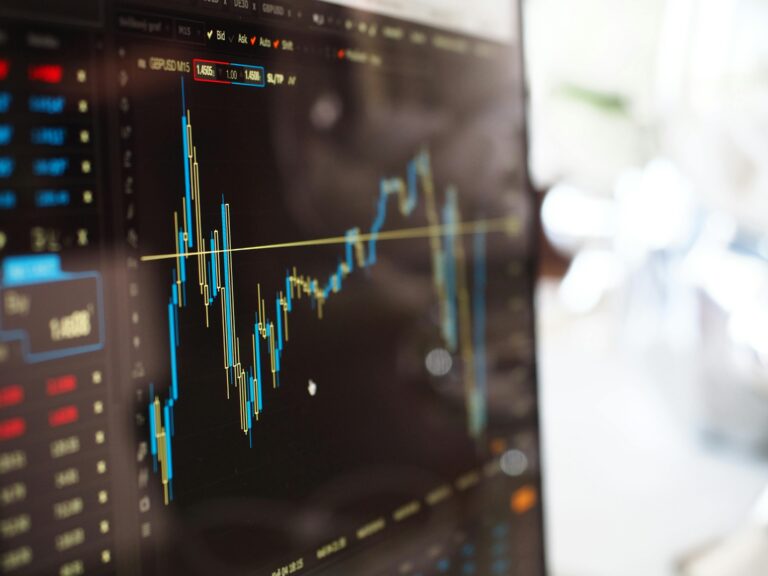

Trading Psychology – The Key to Success
One of the most common mistakes in trading is not technical, but emotional. Fear and greed often lead to impulsive decisions.
A successful trader:
Follows a trading plan
Accepts losses as part of the process
Avoids overtrading
Maintains discipline and patience
Trading psychology is just as important as technical analysis. Controlling emotions can be the difference between losing money and becoming profitable.
Risk Management in Trading – Protect Your Capital
Risk management is essential for long-term survival in financial markets. You should never risk your entire capital on a single trade.
Basic principles include:
Always use a stop loss
Risk only a small percentage per trade (1–2%)
Maintain a good risk-to-reward ratio
Diversify your trades
The main goal is not to win every trade, but to protect your capital so you can keep trading over time.

Trading in Today’s Financial Markets
Trading has become one of the most popular ways to participate in today’s global financial markets. Thanks to technology, access to trading platforms is easier than ever, allowing individuals to trade stocks, cryptocurrencies, forex, and other assets from anywhere in the world.
However, successful trading is not about quick profits or luck. It requires education, strategy, risk management, and emotional discipline. Understanding market behavior, analyzing price movements, and following a well-defined trading plan are essential for long-term success.
Modern traders also benefit from advanced tools such as technical indicators, automated strategies, and artificial intelligence. These tools help analyze data more efficiently and reduce emotional decision-making, but they should always be used as support—not as a guarantee of profits.
Whether you are a beginner or an experienced trader, continuous learning is key. Markets evolve constantly, and adapting to new trends, technologies, and strategies is part of the trading journey.
In the end, trading is a skill developed over time. With patience, discipline, and the right knowledge, it can become a powerful tool for building financial independence.
